Vinyl vs Fiber Cement Siding: Which Should You Choose?
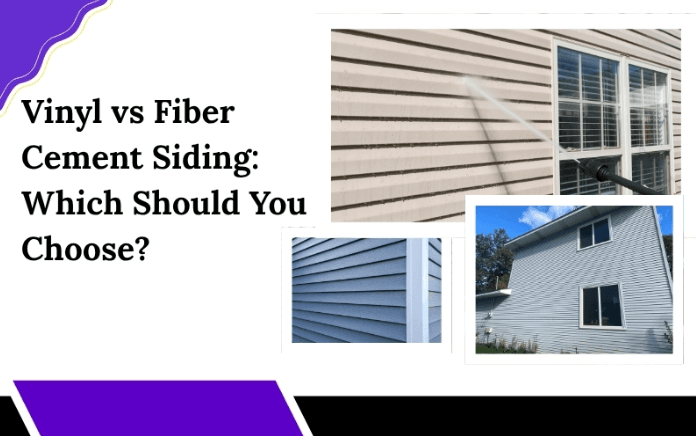
If you're deciding between vinyl vs fiber cement siding, the right choice comes down to your priorities: vinyl is the most cost-effective and low-maintenance option, while fiber cement delivers superior durability and long-term value , especially in cold climates.
For homeowners in regions like Minnesota, fiber cement often performs better over time, but vinyl remains a practical choice for budget-conscious upgrades. Choosing siding isn't just about appearance , it directly impacts your home's protection, energy efficiency, and resale value. This guide explores the real differences, based on contractor-level insights, so you can make a confident decision.
What's the Real Difference Between Vinyl and Fiber Cement Siding?
At a glance, both options are designed to protect your home and improve curb appeal , but they're built very differently, and that difference shows over time.
Vinyl siding is made from PVC plastic. It's lightweight, affordable, and widely used across the U.S. because it requires minimal upkeep. This is especially popular for homeowners who want a quick exterior upgrade without ongoing maintenance.
Fiber cement siding, on the other hand, is a composite of cement, sand, and cellulose fibers. It's engineered for strength and longevity, and it's often chosen for higher-end homes or homeowners planning to stay long-term.
The practical takeaway:
- Vinyl is built for convenience and affordability
- Fiber cement is built for performance and longevity
Which Siding Performs Better in Cold Weather?
This is where the decision becomes much clearer, especially for homeowners in colder regions. Fiber cement siding consistently outperforms vinyl in cold climates because it's designed to handle extreme temperature fluctuations without expanding, cracking, or weakening.
Vinyl Siding in Cold Weather:
- Can become brittle in freezing temperatures
- Impact from hail or debris can cause cracking
- Expansion and contraction over time can lead to warping
Fiber Cement Siding in Cold Weather:
- Maintains structural integrity in extreme cold
- Resists moisture intrusion and ice damage
- Holds up better against wind and impact
If you're evaluating the best siding for cold weather , fiber cement is generally the safer long-term choice.
How Do Costs Compare (Upfront vs Long-Term)?
Cost is often the deciding factor, but many homeowners only look at the upfront price. Vinyl siding wins on initial cost , it's one of the most affordable siding materials available, both in terms of materials and installation. However, fiber cement tells a different story over time.
Vinyl Siding , Cost Profile:
- Lower installation cost
- Faster project completion
- Ideal for short-term ownership
Fiber Cement Siding , Cost Profile:
- Higher initial investment
- Longer installation time (more labor-intensive)
- Lower replacement risk over time
Vinyl may save money today, but fiber cement can reduce long-term repair and replacement costs. If you're planning a full exterior upgrade, working with professionals for siding installation in Coon Rapids, MN ensures proper installation , because even the best material fails if installed incorrectly.
Which Option Lasts Longer?
Durability is where fiber cement clearly stands out. Vinyl siding typically lasts 20–30 years, depending on climate and maintenance. While that's solid, it's more vulnerable to environmental stress. Fiber cement siding can last 30–50+ years, making it a strong long-term investment.
- Fiber cement resists fire, pests, rot, and UV damage
- Vinyl is more susceptible to warping, cracking, and fading
For homeowners thinking beyond the next decade, fiber cement offers greater peace of mind and fewer surprise expenses.
What About Maintenance?
This is one area where vinyl siding still has a strong advantage.
Vinyl , Maintenance Requirements:
- No painting required
- Easy to clean with water
- Minimal upkeep over time
Fiber Cement , Maintenance Requirements:
- Needs repainting every 10–15 years
- Requires periodic inspection to maintain performance
- Choose vinyl if you want ease and convenience
- Choose fiber cement if you're okay with maintenance in exchange for longevity and strength
Which Looks Better and Adds More Value?
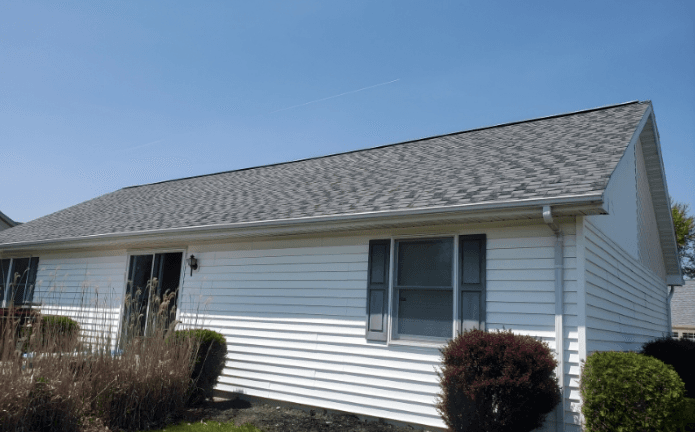
Curb appeal plays a bigger role than most homeowners expect , especially when it comes to resale. Fiber cement siding is widely considered the more premium option because it mimics natural wood more realistically, offers deeper textures and finishes, and enhances perceived home value. Vinyl has improved significantly in appearance over the years, but it still doesn't match the depth and realism of fiber cement.
If your goal is to increase resale value or create a high-end exterior look, fiber cement is typically the better investment.
Where Do LP SmartSide and James Hardie Fit In?
When comparing siding options, many homeowners also come across LP SmartSide vs James Hardie . Here's how they relate: James Hardie is the leading fiber cement brand, while LP SmartSide is engineered wood siding , a hybrid alternative. Both are strong options, but if you're comparing vinyl vs fiber cement, James Hardie is the more direct comparison.
- LP SmartSide offers better impact resistance
- James Hardie offers superior fire and moisture resistance
How Does Siding Affect the Rest of Your Home?
Siding doesn't function independently , it directly impacts other parts of your home's exterior system. Poor siding choices or installation can lead to moisture intrusion that affects roofing, air leaks that reduce window efficiency, and higher energy bills overall.
That's why many homeowners bundle siding upgrades with a roofing contractor in Coon Rapids, MN. A coordinated exterior upgrade ensures everything works together , improving insulation, durability, and long-term performance.
Final Decision: Which Should You Choose?
Instead of asking “which is better,” ask which is better for your situation.
Choose Vinyl Siding If:
- You're working with a tighter budget
- You want minimal maintenance
- You need a faster installation timeline
Choose Fiber Cement Siding If:
- You live in a cold or harsh climate
- You want long-term durability
- You're focused on resale value and curb appeal
FAQs
Is fiber cement siding worth the extra cost?
Yes, especially for long-term homeowners. It offers better durability, weather resistance, and resale value.
Does vinyl siding crack in winter?
It can. In extreme cold, vinyl becomes more brittle and prone to cracking from impact such as hail or debris.
Which siding is more energy efficient?
Both can be efficient when properly installed, but insulation and installation quality matter more than material alone.
Can I upgrade siding without replacing windows or roofing?
Yes, but for the best performance, it's often smarter to evaluate your full exterior system together.
Conclusion
Vinyl and fiber cement siding both have their place , but they serve different types of homeowners. Vinyl is practical, affordable, and easy to maintain. Fiber cement is durable, resilient, and built for long-term performance. The best choice isn't about trends; it's about what will protect your home and investment for years to come.
Vinyl vs Fiber Cement Siding: Which Is Right for You? Contact Us!
Choosing the right siding is crucial for the long-term protection and value of your home. Whether you're leaning towards vinyl for its affordability or fiber cement for its durability, we're here to help you make an informed decision.
Contact Mabel Construction today to schedule a consultation and get expert advice from our window contractor in Coon Rapids, MN , tailored to your home's specific needs and climate.